Skills are the method. A project is the context the method works on.
Chats end. Work scatters.
One client, five places:
The chat
ended yesterday
Mail
in 14 threads
SharePoint
in three folders
Notes
on paper, on a phone
Your head
half remembered
Where are we on this client?
Why projects exist at all
"Where are we on <client>?"
No context
Fresh chat: the brain asks you to retell the whole account.
With context
In a project: it opens the project and answers from what it knows.
Same question, different amount of work.
WESP: four memories
Working
the chat: what you say right now
Episodic
the diary: what happened
Semantic
the wiki: what things are · projects live here
Procedural
the skills: how to do things
then acts, with a skill
external resources
Working memory
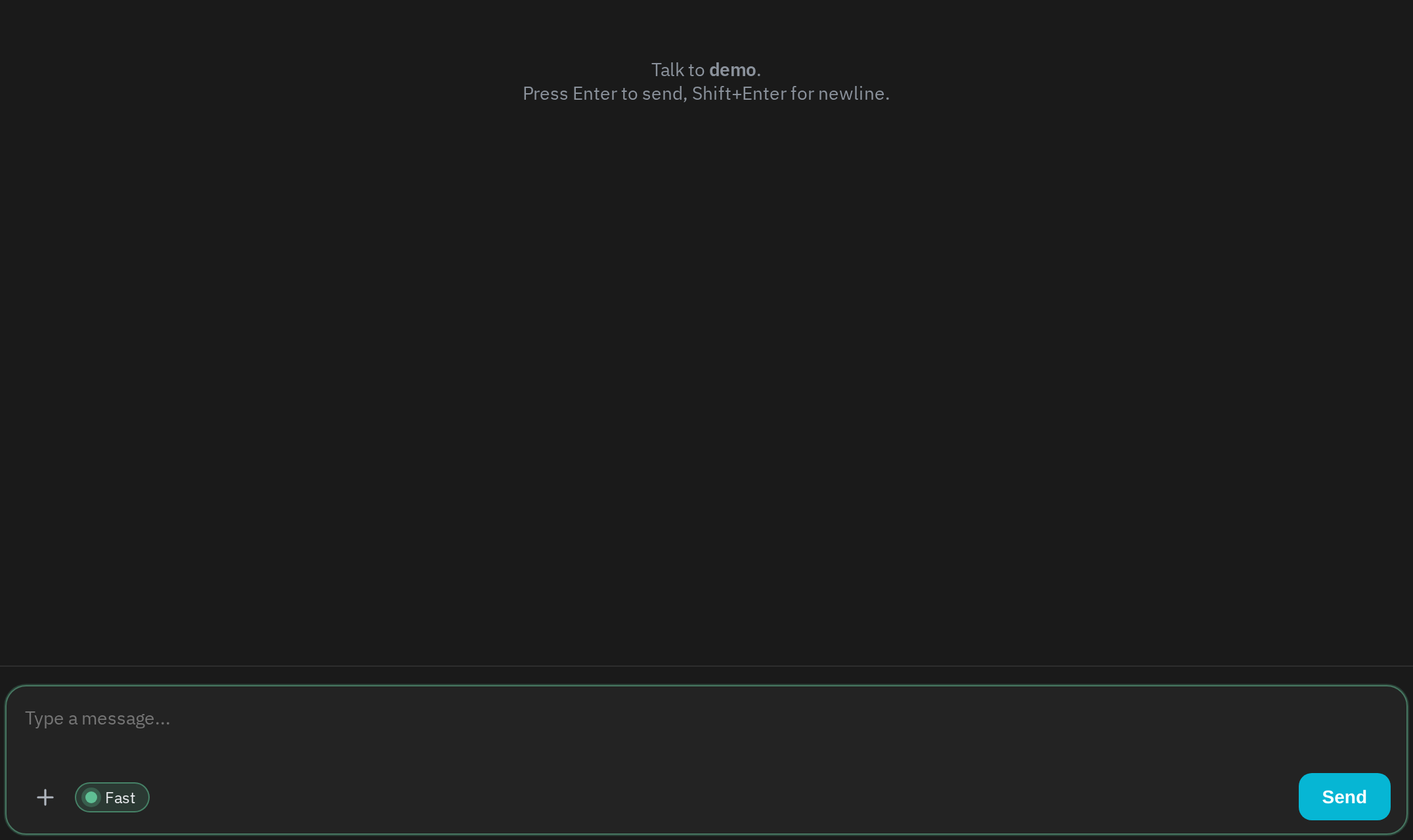
The chat
What you are saying right now.
Lives inside one conversation
Gone when the chat ends
Everything else is for the brain to keep
In your brain: the chat
Episodic memory
The diary
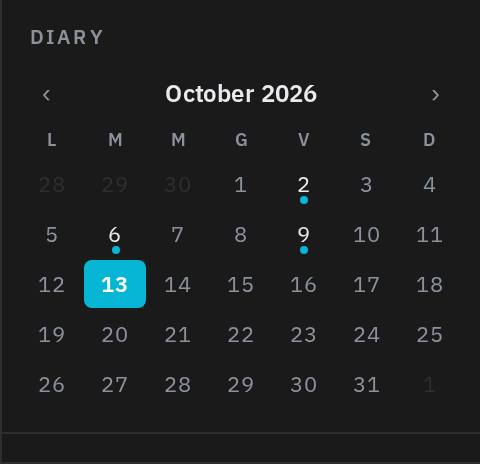
What happened, and when.
One entry per day, written as you work
Pick a day in the calendar to read it
Where a project’s history is rebuilt
In your brain: the calendar
Semantic memory
The wiki
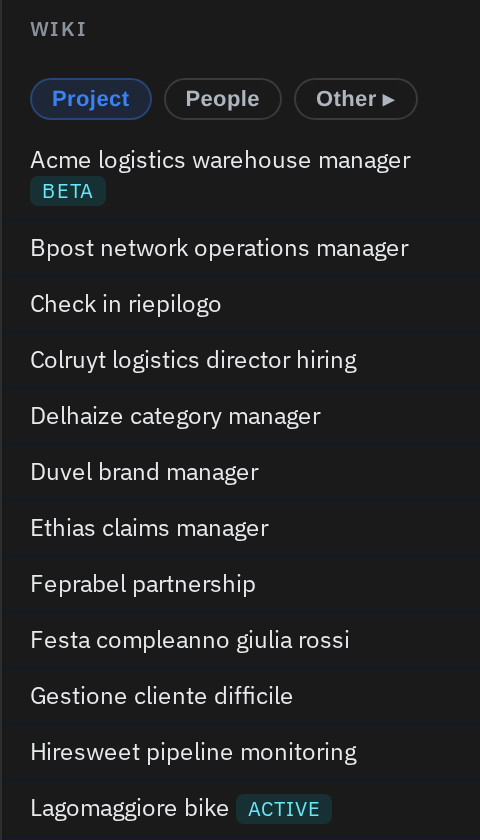
What things are.
People, companies, projects
Each one has its own page
Projects live here
In your brain: the wiki
Procedural memory
The skills
How we do things.
The know-how of the brain
Email, candidate sheets, reports
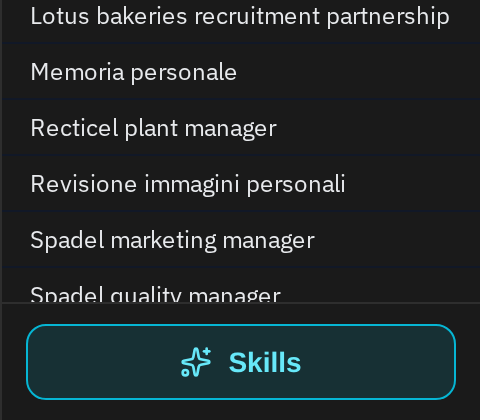
Open the Skills button to see them
In your brain: the Skills button
Skills are fundamental to connect to other sources
Your diary is a notebook, not a library
The brain: a notebook
Notes, decisions, what happened, where things are. Small, quick to re-read.
A year of daily use: under 30 MB
The library: your sources
SharePointHireSweetwwwLinkedInEmail
Gigabytes of documents, profiles, mail. They stay where they are. The brain knows where to look.
Gigabytes and gigabytes
Upload a document and the brain reads it and takes notes. Feel free. Just do not expect it to become the archive.
What is a project?
A text file that points to everything about a piece of work.
One text file, built to be read twice
The project is organised to keep everything that matters, complete and short.
For the brain
Everything it needs to pick up the thread, and where to look for the rest.
For you
Readable in half a minute, the same way every time.
Complete, and short
Only what keeps the project consistent. The details stay in the sources.
Acme Logistics
Acme Logistics: Warehouse Manager search
What it is. We are finding a Warehouse Operations Manager for Acme, a logistics client in Antwerp. Contact: Maria Dupont (HR). Key info: role open since 22 Sep, shortlist by 9 Oct, 3 candidates interviewed.Do answer the client the same day. Don’t send a CV without the candidate’s OK.Skills. candidate-presentation, HireSweet search.Current state. Shortlist of 3 sent, client interviews being scheduled.Resources. HireSweet project, LinkedIn profiles, job description on SharePoint.
What is inside
1Description, key info and any KPIs
2Do and Don’t
3SkillsThe ones this project needs, loaded when you open it.
4Current state
5Anything meaningful to keep it consistentKeep the page short and readable: the brain explores the external sources for the details.
Acme Logistics
Acme Logistics: Warehouse Manager search
What it is. We are finding a Warehouse Operations Manager for Acme, a logistics client in Antwerp. Contact: Maria Dupont (HR). Key info: role open since 22 Sep, shortlist by 9 Oct, 3 candidates interviewed.Do answer the client the same day. Don’t send a CV without the candidate’s OK.Skills. candidate-presentation, HireSweet search.Current state. Shortlist of 3 sent, client interviews being scheduled.Resources. HireSweet project “Warehouse Manager Acme” · LinkedIn profiles of the 3 candidates · job description on SharePoint.
Fix the source, not only the answer
When the brain does not do what you want, or you want it consistent
The projectMost often
For this project only. “For Acme, always write the sheet in French.”
The skillSometimes
For a way of working, in every project. How the candidate sheet is made.
The bootVery rarely
The brain’s base rules, for everything. Handle with care.
You From now on, for this project, write the sheets in French. Remember it.
Your brain Done. I added it to the Acme project, under Do: write candidate sheets in French.
Ask the brain to correct the place where the rule lives. More on this later in the course.
The diary is the film. The project is today’s photo.
22 SEP
Intake call
24 SEP
Job description agreed
2 OCT
First shortlist sent
6 OCT
Client feedback
9 OCT
Interviews scheduled
today
Current state Shortlist of 3 sent, client interviews being scheduled.
Acme Logistics, 9 Oct
The project keeps one line, always today’s. Every frame of the film is a diary entry linked to the project: the whole story can be rebuilt.
Project status
Where are we on this project?
Experiment
An idea or a test. It may die, and that is fine.
Beta
It runs on real cases. A person checks every result.
Active
Trusted. Part of the daily work.
On hold
Paused, nobody is waiting. It can reopen.
Archive
Closed. No more work on it.
You choose the stage. Ask the brain: “put Acme on hold”. It is a label on your own project: it helps you and the brain, nobody else reads it.
A private notebook
Your project
Private to you and your brain. Where you keep the thread of the work.
To share, there is
Email
The client and colleagues get what you send them.
Village
Shared channels, tasks and decisions for the team. Next session, 20 Oct.
Artifacts
Pages, sheets and reports for clients and candidates. 27 Oct.
Deliverables
… and more coming.
Activate a project
Type /project <name> and the brain loads everything:
the summary and the phase
do and don’t, and the current state
the skills the project needs, if it has specific ones
what it links to: diary entries, wiki pages, mail threads, people
Short page first, details only when needed.
Acme Logistics
Acme Logistics: Warehouse Manager search
What it is. We are finding a Warehouse Operations Manager for Acme, a logistics client in Antwerp. Contact: Maria Dupont (HR). Key info: role open since 22 Sep, shortlist by 9 Oct, 3 candidates interviewed.Do answer the client the same day. Don’t send a CV without the candidate’s OK.Skills. candidate-presentation, HireSweet search.Current state. Shortlist of 3 sent, client interviews being scheduled.Resources. HireSweet project “Warehouse Manager Acme” · LinkedIn profiles of the 3 candidates · job description on SharePoint.
Target
or how to use chats and projects in an efficient way
You/project Acme Target of this chat: answer the open mails from Maria and put the status report on SharePoint.
Open with a target
Say the project (existing or new) and what this chat is for.
Work until it is done
Everything in the chat serves that one target.
Target reached: new chat
Fresh context, a shorter chat, easier to find later.
One chat for a whole project works too. One chat for one target is the best practice.
How the brain answers
You Where are we on Acme?
What the brain does
Opens the project
Current state: shortlist of 3 sent, interviews being scheduled.